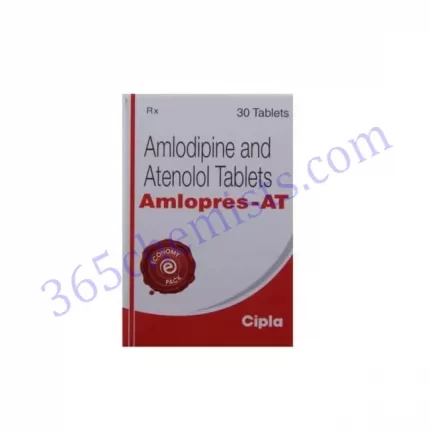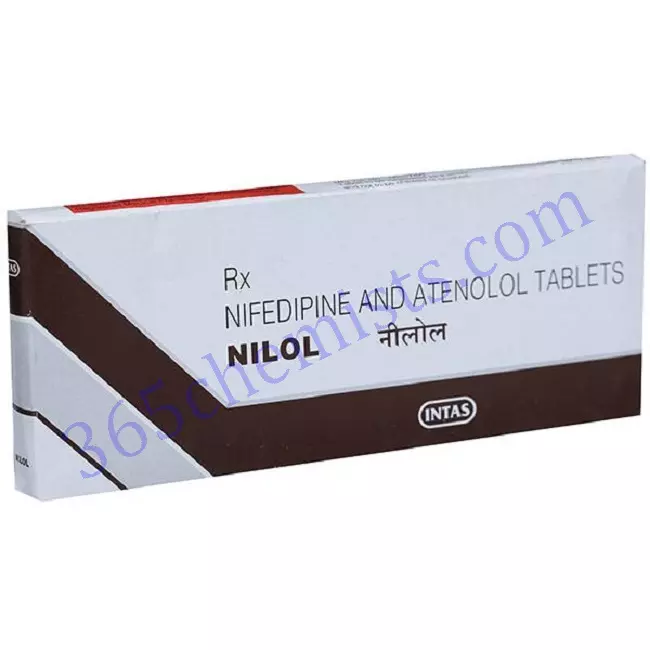
Atenolol and nifedipine are the two primary pharmaceutical components that are included in each Nilol Tablet. Nilol Tablet is a combination medication. Both atenolol and nifedipine are classified as calcium channel blockers; however, beta-blockers are more commonly associated with atenolol. This combination is employed in the treatment of a variety of cardiovascular conditions and is useful in the management of high blood pressure and angina.
Uses of Nilol Tablet
The following medical conditions are the most common indications for prescribing Nilol Tablet:
- Hypertension, also known as high blood pressure, can be helped by taking a Nilol tablet, which lowers blood pressure by easing the strain placed on the heart and relaxing the blood vessels. It is a treatment that is intended to be taken for an extended period of time in order to keep blood pressure within the normal range.
- Angina Pectoris: Nilol Tablet is also indicated for the management of angina, which is a condition that is characterised by pain or discomfort in the chest that is caused by an inadequate blood supply to the heart. Angina Pectoris: Nilol Tablet is also indicated for the management of angina. The use of Atenolol and Nifedipine together has been shown to be effective in enhancing blood flow to the heart, as well as reducing both the frequency and severity of angina attacks.
Dosage and Administration
- Dosage: The recommended amount of Nilol Tablet to take is subject to change based on the individual’s condition and the advice of the attending physician. It is essential to take the medication in the manner that has been instructed and adhere to the dosage that has been prescribed.
- In terms of administration, the NilolTablet can be taken by mouth either with or without food. It is recommended that the tablet be taken in its entirety with a full glass of water. It is important that the tablet not be crushed or chewed.
- Timing: Both the frequency of dosing and the timing of administration of Nilol Tablets should be carried out in accordance with the instructions provided by the attending physician. To keep the levels of the medication in your blood from fluctuating too much from day to day, it is essential to take it at the same time every day.
Precautions and Warnings
- People who have previously been diagnosed with an allergy to atenolol, nifedipine, or any of the other components of Nilol Tablet should steer clear of using the medication. Rash, itching, swelling, or trouble breathing are some of the symptoms that can accompany allergic reactions. Immediately seek medical attention in the event that any allergic symptoms manifest themselves.
- Heart Conditions: Individuals who have certain heart conditions, such as heart block, heart failure, or a slow heart rate, should use Nilol Tablet with extreme caution. During treatment, it is essential to carefully monitor the patient.
- Hypotension can occur when the medications atenolol and nifedipine are taken together. This can result in symptoms such as dizziness, lightheadedness, or even fainting. When rising from a seated or lying position, individuals should do so slowly to reduce the likelihood of experiencing low blood pressure.
- Drug Interactions: There is a possibility that the NilolTablet will interact negatively with other medications, such as beta-blockers, calcium channel blockers, or medicines that alter blood pressure. Talk to your primary care physician about any and all medications you’re currently taking to head off any adverse drug reactions.
Side Effects
Infrequent but possible adverse reactions to Nilol Tablet include:
- a state of exhaustion or weakness
- Headache
- Symptoms such as lightheadedness or dizziness
- A sick stomach or puking
- Symptoms of swelling in the feet or ankles
These adverse effects are typically mild and fleeting in nature. However, if they continue or get worse, you should make an appointment with your healthcare provider.
Conclusion:
Atenolol 50 mg and nifedipine 20 mg are the active ingredients in the medication combination known as Nilol Tablet, which is prescribed to patients suffering from hypertension and angina pectoris. It helps lower blood pressure and improves blood flow to the heart by combining the benefits of two types of blood pressure medications: beta-blockers and calcium channel blockers. When utilising NilolTablet in a manner that is both safe and effective, it is essential to follow the recommended dosage, take all necessary precautions, and communicate any adverse effects to your attending physician. Maintaining open lines of communication with your healthcare provider in addition to regular monitoring will allow for the most effective management of your condition. When used correctly and under the supervision of a doctor, NilolTablet can be an effective treatment for a variety of cardiovascular conditions, including the alleviation of associated symptoms and the promotion of cardiovascular health.
FAQs
What is NilolTablet used for?
Nilol Tablet is used to relieve pain, reduce inflammation, and manage swelling in conditions like arthritis, muscle pain, and dental issues.
How quickly does NilolTablet work?
Nilol Tablet usually starts working within a short time after ingestion, providing noticeable pain relief.
Can I take NilolTablet daily?
You should take Nilol Tablet only as prescribed by your doctor. Long-term use should be monitored by a healthcare professional.
Is Nilol Tablet safe?
Yes, Nilol Tablet is safe when used as directed. However, misuse or overuse can lead to side effects.
Can I take Nilol Tablet on an empty stomach?
It is recommended to take Nilol Tablet with food to reduce the risk of stomach irritation.