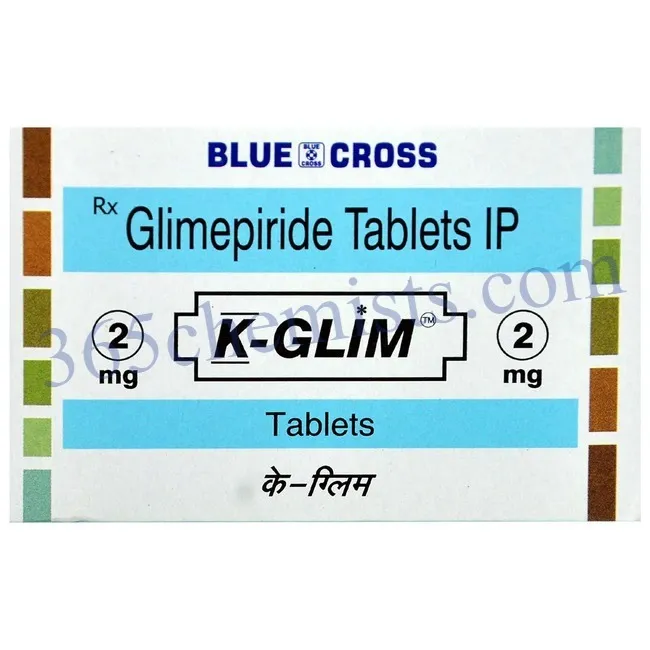
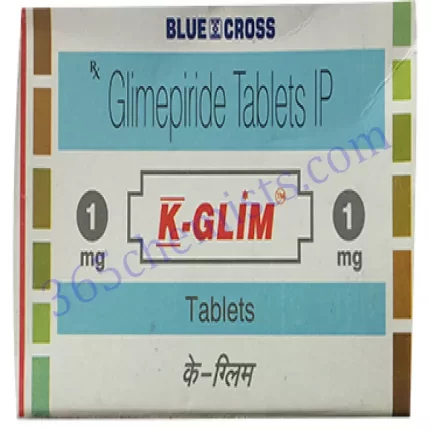
A common oral diabetic treatment, the K-Glim 2mg Tablet contains 2 milligrammes of the active ingredient glimepiride. Patients diagnosed with type 2 diabetes receive a prescription for this medication in the hopes that it will help them better control their blood sugar levels and glycemic control. In this in-depth tutorial, we will go into the specifics of the K-Glim 2mg Tablet, including its mode of action, the therapeutic benefits it provides, the potential adverse effects it may cause, and the key usage guidelines that go along with it.
Understanding K-Glim 2mg Tablet
Glimepiride 2mg: Glimepiride is an antidiabetic medication that belongs to the sulfonylurea class. It is the active ingredient in the K-Glim 2mg Tablet. It does this by activating beta cells in the pancreas, which then results in the production of insulin. This increase in insulin secretion makes it easier for the cells in the body to take in glucose, which leads to a reduction in the amount of sugar in the blood.
Mechanism of Action
K-Glim 2mg Tablet works by stimulating the pancreas to produce more insulin, which is at the heart of the medication’s mechanism of action. After being taken orally, glimepiride is absorbed into the bloodstream in a short amount of time. Once it is in the bloodstream, it seeks out and binds to particular receptors that are located on the beta cells of the pancreas. This triggers a chain of intracellular events that ultimately results in insulin being secreted.
Therapeutic Benefits
- Blood Glucose Regulation The capacity of the K-Glim 2 mg Tablet to effectively lower blood glucose levels is the primary therapeutic advantage that can be derived from using this medication. The medicine works to avoid an accumulation of glucose in the bloodstream by boosting the secretion of insulin, which in turn makes it easier for cells to take in glucose. This, in turn, contributes to the maintenance of healthy levels of blood sugar.
- Enhanced Insulin Sensitivity Glimepiride not only causes an increase in the amount of insulin that is secreted, but it also makes target tissues more sensitive to the effects of insulin. This means that cells become more receptive to the action of insulin, which in turn makes it possible for greater glucose uptake and utilisation throughout the body.
- Mealtime Flexibility: The K-Glim 2 mg Tablet should be taken once day, either just before or with the first substantial meal. However, it can be taken with or without food if desired. Patients have more flexibility when it comes to mealtimes because of the medication’s long duration of action, which allows them to take it at whichever meal of the day is the most convenient for them.
Related Product
K-Glim 1mg Tablet
K-Glim 2mg Tablet
K-Glim-M 1mg Tablet
K-Glim M 2mg Tablet
K-Glim M Forte 1mg Tablet
K-Glim M Forte 2mg Tablet
Potential Side Effects
Although the K-Glim 2 mg Tablet is generally well accepted, it is possible that it could have adverse effects in certain people. Mild gastrointestinal discomfort, such as nausea or stomach upset, is a common side effect that many people experience. In most cases, these symptoms are only temporary and go away as the body becomes accustomed to the medicine.
Hypoglycemia is a disorder that is characterised by low blood sugar levels. Glimepiride may, under extremely unusual circumstances, cause this condition. Hypoglycemia can cause a variety of symptoms, including palpitations, disorientation, perspiration, and dizziness. It is extremely important for patients to be aware of these symptoms and to seek prompt medical assistance if they manifest themselves at any time.
Usage Guidelines
It is important to take the K-Glim 2 mg Tablet exactly as directed by your doctor or other healthcare provider. The starting dose is often 1 to 2 mg once daily, however this can be changed according on how each individual reacts to the medication. It is vital to take the medication exactly as directed and not deviate from the treatment plan in any way without first consulting a medical professional.
Transitioning to K-Glim 2mg Tablet
Before beginning treatment with K-Glim 2 mg Tablet, it is imperative for persons to contact their healthcare provider about their complete medical history, including the names and dosages of all other medications they are currently taking. Glimepiride may interact with a number of drugs and medical conditions, which may have an effect on how well it works or how safe it is to use.
Conclusion
The K-Glim 2 mg Tablet, which contains 2 mg of glimepiride, is a diabetic drug that is both effective and popularly used to manage type 2 diabetes. The medicine works to improve glycemic control and assist regulate blood glucose levels by increasing insulin sensitivity and increasing the rate at which insulin is released from cells. Patients have more flexibility when it comes to when they eat thanks to this medication because it only needs to be taken once day. It is necessary for individuals to follow the directions provided by their healthcare practitioner, monitor their blood sugar levels on a consistent basis, and be aware of any potential adverse effects. This is the case regardless of the medicine being used. K-Glim 2 mg Tablet has the potential to make a sizeable contribution to the successful control of type 2 diabetes if it is used correctly and closely monitored.
FAQs
What is K-Glim 2 mg Tablet used for?
K-Glim 2mg Tablet is used to treat type 2 diabetes by lowering blood sugar levels and improving insulin function.
How long does K-Glim 2 mg Tablet take to work?
K-Glim 2mg Tablet starts working within a few hours, but consistent use is required for optimal blood sugar control.
Can I take K-Glim 2 mg Tablet with other medicines?
Yes, K-Glim 2mg Tablet is often combined with other anti-diabetic medications. Always consult your doctor before combining treatments.
What should I do if I miss a dose of K-Glim 2mg Tablet?
Take the missed dose as soon as you remember. If it is close to your next dose, skip the missed one. Do not double the dose.
Does K-Glim 2mg Tablet cause low blood sugar?
Yes, K-Glim 2mg Tablet may cause hypoglycemia, especially if you skip meals or take an excessive dose.