
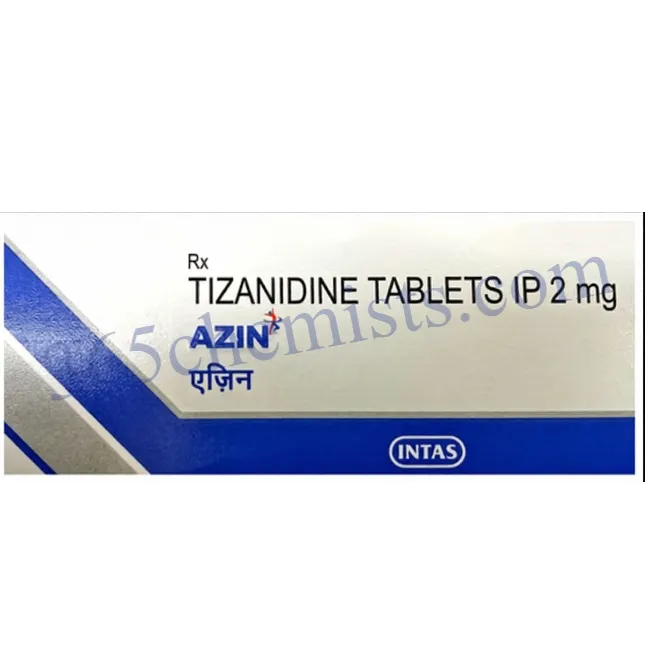


Azin Tablet is an antibiotic medicine commonly associated with azithromycin, a macrolide antibiotic used to treat certain bacterial infections. Because brand names can vary by country and manufacturer, always check the active ingredient and strength printed on your package before taking this medicine. Antibiotics do not treat viral illnesses such as the common cold or influenza. A healthcare professional should determine whether a bacterial infection is present and whether this treatment is appropriate.
When prescribed for an appropriate bacterial infection, Azin Tablet works by interfering with bacterial protein production. This prevents susceptible bacteria from growing and multiplying, allowing the body’s immune system to clear the infection. The medicine may be prescribed for selected respiratory, ear, throat, skin, and other bacterial infections depending on the patient’s condition and the susceptibility of the bacteria.
How Azin Tablet Works
The active ingredient, when it is Tizanidine , binds to bacterial ribosomes and inhibits protein synthesis. Bacteria need these proteins for growth and reproduction. By disrupting this process, the antibiotic limits bacterial multiplication.
The medicine does not work against viruses. Taking an antibiotic unnecessarily can expose you to side effects and contribute to antibiotic resistance. For that reason, do not use Azin Tablet simply because you have a cough, cold, sore throat, or fever unless a qualified healthcare professional determines that a bacterial infection requires antibiotic treatment.
Uses of Azin Tablet
Doctors may prescribe Azin Tablet for susceptible bacterial infections. Depending on the formulation and clinical situation, azithromycin may be used for certain respiratory tract infections, some ear and throat infections, particular skin and soft-tissue infections, and certain sexually transmitted bacterial infections.
The exact indication depends on the diagnosed infection, local prescribing guidance, bacterial resistance patterns, age, medical history, and other medicines the patient takes. Your clinician should select the appropriate antibiotic and treatment duration rather than relying on the brand name alone.
How to Take Azin Tablet
Take Azin Tablet exactly as prescribed by your doctor. Do not increase the dose, take it more frequently, or extend treatment without medical advice. Swallow the tablet with water and follow the instructions supplied with your specific product.
If you miss a dose, take it when you remember unless your next dose is nearly due. In that situation, follow your healthcare professional’s instructions rather than taking extra medicine to compensate. Completing the prescribed course is important when your clinician has instructed you to complete treatment, even if you begin feeling better.
Do not share antibiotics with another person. Their symptoms may have a different cause, and an antibiotic that worked for one person may be inappropriate for another.
Related Product
Possible Side Effects
Like other medicines, Azin Tablet can cause side effects. Common effects associated with azithromycin may include nausea, diarrhea, stomach discomfort, vomiting, and headache. These effects are often manageable, but persistent or troublesome symptoms should be discussed with a healthcare professional.
Seek urgent medical attention for signs of a severe allergic reaction, such as swelling of the face or throat, difficulty breathing, severe dizziness, or widespread blistering rash. Severe or persistent diarrhea can also require medical evaluation because antibiotic-associated diarrhea can sometimes become serious.
Azithromycin can, in some people, affect the heart’s electrical rhythm and prolong the QT interval. Tell your doctor if you have a history of abnormal heart rhythm, significant heart disease, low potassium or magnesium levels, or if you take medicines that can affect cardiac rhythm.
Precautions and Drug Interactions
Before using Azin Tablet, tell your healthcare professional about allergies, liver problems, heart-rhythm disorders, and all prescription medicines, over-the-counter products, and supplements you use.
Azithromycin can interact with certain medicines. Your clinician may need to review medicines that affect heart rhythm or other treatments that could alter the safety of the antibiotic. Do not start or stop another medicine without professional advice.
Patients with significant liver disease may require additional consideration because azithromycin is substantially processed by the liver. Always provide your complete medical history before treatment.
Why Responsible Antibiotic Use Matters
Using Azin Tablet appropriately protects both the individual patient and the wider community. Antibiotic resistance develops when bacteria become able to survive medicines designed to kill or control them. Unnecessary antibiotic use increases this risk.
Never use leftover antibiotics from an earlier illness. Do not purchase antibiotics for self-treatment based only on symptoms found online. A clinician should evaluate the infection and determine whether an antibiotic is necessary.
Storage and Handling
Store Azin Tablet according to the instructions on its original packaging. Keep medicines away from excessive heat and moisture and out of children’s reach. Do not use tablets that are damaged, expired, or improperly stored.
For legitimate prescription fulfillment, use a properly licensed pharmacy and verify the product, strength, manufacturer, and active ingredient before taking it.
FAQs
What is Azin Tablet used for?
Azin Tablet is commonly associated with azithromycin and may be prescribed for certain bacterial infections. The exact use depends on the patient’s diagnosis and the formulation supplied.
Can Azin Tablet treat a common cold?
No. Colds are usually caused by viruses, and antibiotics do not treat viral infections. Taking an antibiotic unnecessarily can cause side effects and promote antibiotic resistance.
Can I stop Azin Tablet when I feel better?
Follow the treatment plan provided by your prescriber. Do not independently change or stop antibiotic treatment without professional advice.
What are common side effects?
Nausea, diarrhea, abdominal discomfort, vomiting, and headache can occur. Contact a healthcare professional if symptoms become severe or persistent.
Can I take Azin Tablet with other medicines?
Some medicines can interact with azithromycin, including medicines that affect heart rhythm. Give your pharmacist or doctor a complete list of your medicines before starting treatment.








Reviews
There are no reviews yet.